Infrastructure Issues

Understanding NYC Water Infrastructure and Its Impact on Your Tap
New York City’s water system is one of the largest and most complex in the world, with thousands of miles of pipes, hundreds of pressure zones, and infrastructure that has been evolving for more than a century. While the system reliably delivers world-class water to millions of residents, the scale and age of the network can sometimes lead to temporary disruptions that affect your tap.
Water main breaks are one of the most common infrastructure events. Pipes can fail due to age, corrosion, freezing temperatures, or shifting soil. When a main breaks, repairs are necessary, but these interventions often stir up sediment and rust, resulting in temporary brown or yellow water in nearby taps. Certain boroughs with older mains — like the Bronx or parts of Brooklyn — are more prone to these events, meaning residents there may notice discoloration more frequently.
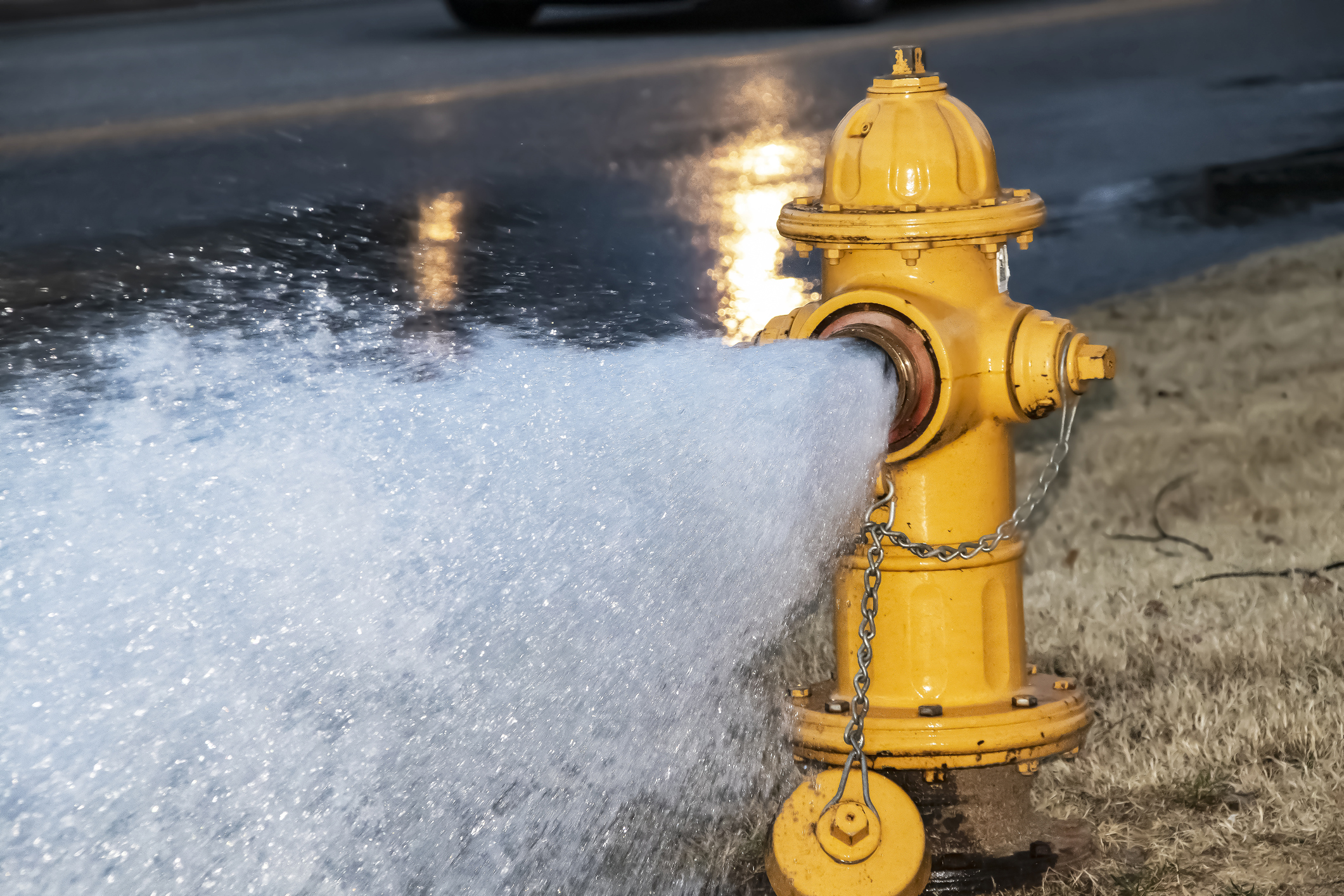
Hydrant usage also influences water clarity. Firefighting, routine flushing, and hydrant testing can cause water to flow at higher speeds through mains, dislodging sediment that has settled over time. While this sediment is harmless, it can temporarily cloud water or change its color until the system stabilizes.
Construction and utility work are another factor. Installing new buildings, replacing pipelines, or conducting emergency repairs can disturb pipes and create brief changes in water appearance, flow, or pressure. Even nearby projects can impact multiple buildings if sediment moves through connected mains.
Finally, pressure zones play a significant role in how water reaches your home. NYC’s complex network requires carefully managed zones to ensure high-rise buildings receive sufficient pressure. Pumps and pressure-reducing valves help maintain flow, but they can also affect taste, clarity, and how quickly water reaches the tap, particularly in upper floors of older buildings.
InsideNYCWater explains these infrastructure issues in plain English, helping residents understand why their water sometimes looks, tastes, or flows differently. Recognizing the causes — from main breaks and hydrant activity to construction impacts and pressure management — allows New Yorkers to respond calmly, flush their taps when needed, and enjoy safe, high-quality water despite the complexity of the system.
Hydrant Usage: Why Flushing and Firefighting Can Temporarily Change Your Water
Hydrants are a vital part of NYC’s water system, ensuring safety for residents and maintaining overall water quality. But their use — whether for firefighting, routine testing, or flushing — can temporarily affect what comes out of your tap. Understanding why helps residents distinguish normal, short-term changes from genuine water issues.
Routine flushing is an important preventive measure. Sediment, rust, and other naturally occurring particles settle in mains over time. By opening hydrants strategically, the city can flush these materials out, keeping pipes clean and maintaining water quality across neighborhoods. The result can be temporarily discolored or cloudy water, usually lasting only a few minutes or hours.
Firefighting is another source of water movement. When hydrants are opened during emergencies, water flows at much higher pressures than usual. This sudden surge can dislodge sediment in nearby mains and risers, especially in older buildings with galvanized or iron pipes. Residents may notice brown or yellow water during or shortly after firefighting events, even if the water is perfectly safe to drink once flushed.
Testing and maintenance also use hydrants to verify pressure and system integrity. During these operations, water can temporarily flow faster than normal, stirring up particles and affecting clarity. These changes are purely cosmetic and do not reflect contamination, but they can be alarming if residents are unaware of the process.
Some neighborhoods notice these effects more frequently, particularly areas with older infrastructure or high-rise buildings. Sediment from mains can travel farther in areas with longer service lines, and pressure variations may be more pronounced in tall buildings or in distant parts of the distribution grid.
InsideNYCWater helps residents recognize these patterns and respond appropriately: run cold water to flush standing sediment, avoid panic, and understand that these temporary changes are a sign of a well-maintained, functioning water system rather than a safety problem. By demystifying hydrant usage and its effects, we give New Yorkers confidence in the water they rely on every day.
Construction and Utility Work: How Nearby Projects Can Affect Your Water
Construction and utility work are a constant part of life in New York City. While these projects improve infrastructure and expand services, they can temporarily affect water quality at the tap. Understanding why helps residents know what changes are normal and how to respond.
When crews dig to repair or replace water mains, install new buildings, or perform emergency work, the movement of soil, pipes, and water can stir up sediment that has settled in older mains. Even minor disturbances can result in brief brown or cloudy water, especially in buildings with aging plumbing. This sediment is typically harmless and settles quickly once the water is run.
New developments are another factor. Installing modern piping systems, connecting to municipal mains, or testing water flow in new buildings can introduce slight temporary discoloration into nearby service lines. Residents living on streets with ongoing construction may notice changes that do not affect safety but are simply the result of disturbed sediment or pressure fluctuations.
Emergency repairs, such as fixing a burst main, can have a similar effect. When water is diverted or pressure changes suddenly, it can move rust and scale from older pipes into homes, creating a visible color change or minor debris. These events are usually short-lived and self-resolving, but they can be alarming if residents are not aware of the cause.
Buildings themselves may magnify these effects. Older internal plumbing, long risers, and tall high-rises can make sediment travel farther, so what happens in the street can appear more pronounced in your faucet. Flushing taps for a few minutes usually clears the water and restores normal clarity.
Pressure Zones and High-Rise Buildings: How NYC Water Flow Affects Taste and Pressure
New York City’s water system is divided into multiple pressure zones, designed to ensure that water reaches every building — from single-family homes to 50-story high-rises — with sufficient pressure and flow. Understanding how these zones work helps residents make sense of differences in water taste, clarity, and pressure across neighborhoods and even within the same building.
Each pressure zone is carefully calibrated based on elevation, distance from water tunnels, and building density. Water in low-lying areas may flow freely with high pressure, while elevated neighborhoods or tall buildings often require pumps and pressure-reducing valves to maintain a steady flow. These adjustments ensure that upper floors in high-rises receive enough water for everyday use without damaging plumbing systems.
However, managing pressure can sometimes affect water characteristics. High-rise risers and long internal pipes can introduce sediment, minor discoloration, or metallic tastes when water is first turned on after low-use periods. Pressure changes during system maintenance or hydrant flushing can also temporarily alter taste or flow, especially in older buildings with iron or copper piping.
Neighborhoods supplied by multiple pressure zones may notice that water behaves differently at various times of day. Morning and evening peak usage can lower pressure slightly, while late-night hours may see a smoother, faster flow. Residents may also observe subtle variations in taste or clarity depending on the path the water takes through the distribution network to their building.
InsideNYCWater helps residents understand these nuances, explaining in plain English how pressure management, building height, and pipe materials combine to create the tap water experience in NYC. By knowing what is normal for high-rises and pressure zones, residents can respond confidently to temporary changes, flush taps when necessary, and enjoy water that is safe, clean, and reliably delivered — even in the tallest buildings in the city.